510 Commercial Ave, Sun Prairie, WI, 53590 Mon-Sun: 7:00 AM - 7:00 PM
(608) 544-8643
Call or text(608) 544-8643Schedule Your Roof Inspection

Roofing Contractor in Sun Prairie, WI Built for Dane County Winters

In Sun Prairie, a roof takes a beating all year. You get 45–55 inches of snow, subzero January nights, ice dams that leak through ceilings during the February thaw, and summer storms that roll in off the open prairie with hail and straight-line winds. On top of that, a lot of the builder-grade shingles put on in the late '90s and 2000s are wearing out at about the same time. Sun Prairie Roofing Solutions repairs and replaces roofs for homeowners and small businesses here. We install ice and water shield and balanced attic ventilation on every new roof, so the leaks don't come back next winter.

Bonded roofing contractor Fully insured Financing available
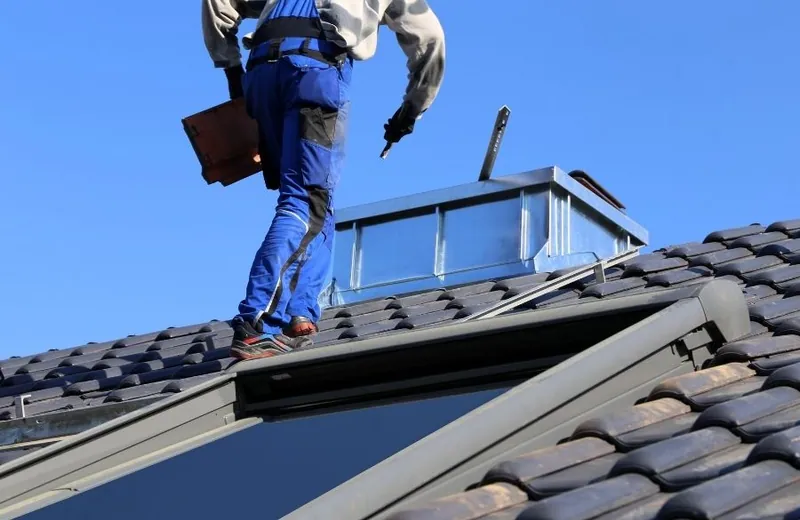
Sun Prairie Roofing Solutions Roofing Contractor in Sun Prairie, WI project in Sun Prairie, WI (1)
Sun PrairieWI
Bonded roofing contractor
Fully insured
Financing available
Ice and water shield on every new roof
Your local roofing team

Why homeowners choose Sun Prairie Roofing Solutions

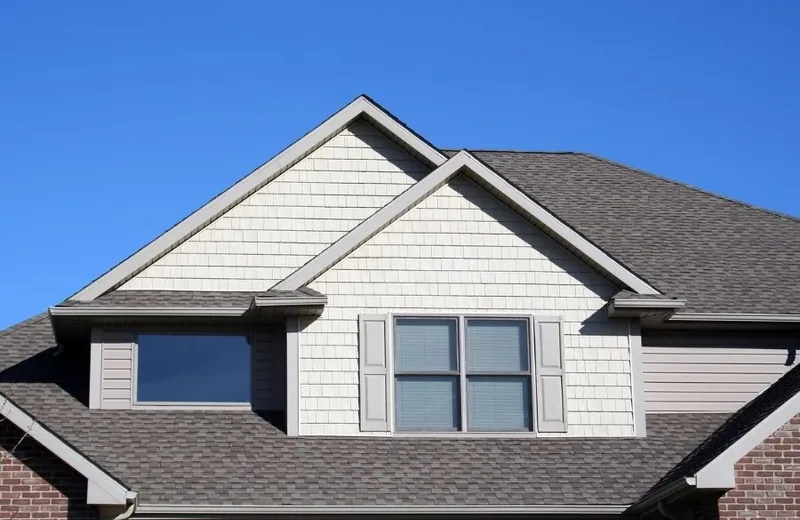
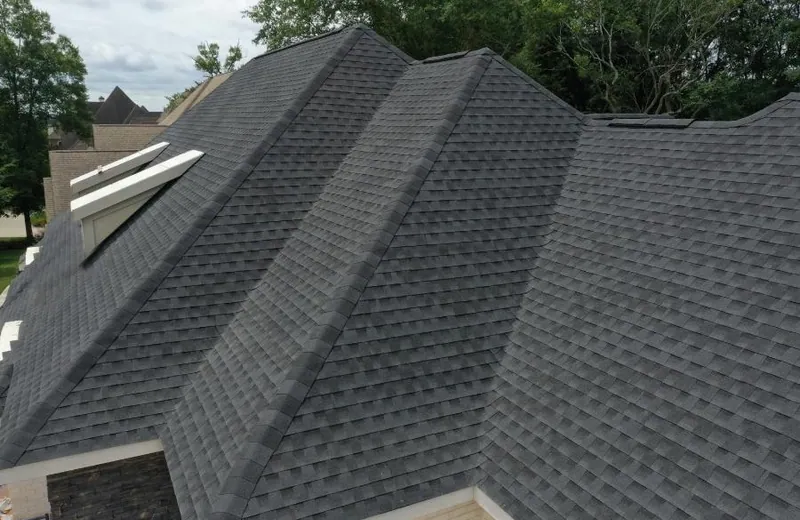
Steep, multi-gable roofs are everyday work for us. That covers the two-story homes in Smith's Crossing, Providence, and Prairie Lakes, the older farmhouses and bungalows near downtown Main Street, and the low-pitch ranches over in Monona. We also work in Madison, Cottage Grove, DeForest, Windsor, and Marshall. You'll get a straightforward recommendation and a firm schedule, and we clean up every evening so your driveway and yard are safe for the kids and the dog.

What you can count on

  • Bonded roofing contractor
  • Fully insured
  • Financing available
  • Ice and water shield on every new roof
  • Balanced intake and exhaust ventilation on every new roof
  • Cleanup every evening
  • Serving a 20-mile radius around Sun Prairie
Local conditions

Why Sun Prairie Roofs Need a Contractor Who Knows Dane County

A roof in Sun Prairie has to get through months of deep cold and then a summer storm season, often in the same year. Our climate, our housing stock, and the local permit rules all affect how a roof should be built and repaired here. Here's what that looks like in practice.

01

Climate: Ice Dams, Freeze-Thaw, and Prairie Storms

January highs here average in the mid-to-upper 20s °F, lows drop into the single digits, and during polar vortex events wind chills can reach -30 °F. Snow usually covers roofs from December into March, which is perfect for ice dams. Heat from the attic melts the snow, the water refreezes at the cold eaves, and the ice backs water up under the shingles. Freeze-thaw swings in the fall and spring crack sealant and work flashing loose. Then from May through August, storms bring hail, derecho-strength winds, and the occasional tornado warning. The open farmland around Sun Prairie, Marshall, and Windsor doesn't block much wind, and newer subdivisions with young trees catch the full force of it. Add 35–37 inches of yearly precipitation and humid summers with dew points in the 60s and 70s, and a poorly ventilated attic will grow mold and wear out its shingles early.

02

Built Environment: From Main Street Farmhouses to Smith's Crossing Two-Stories

Sun Prairie's homes fall into a few groups, and each one has its own roofing issues. Homes in the downtown historic core date to the late 1800s and early 1900s. They often have several layers of shingles over plank sheathing, plus old brick chimneys. The 1960s–70s ranches and split-levels on the west and central sides tend to have worn-out pipe boots and attics that aren't vented well enough. Since the 1990s the city has grown to about 36,000 people. Subdivisions like Providence and Prairie Lakes are full of complicated roofs with valleys, dormers, hips, and garage tie-ins, and every one of those transitions is a place a leak can start. Most of these homes still have their original architectural shingles on OSB decking, and many of those roofs are at or past the end of their service life.

03

Regulations, Permits, HOAs, and Storm-Chaser Protections

One- and two-family homes in Wisconsin follow the Uniform Dwelling Code (SPS 320–325). For shingled roofs, it requires an ice barrier at the eaves that runs up past the exterior wall line. If a roof already has two layers, or the decking is deteriorated, you can't just add another layer. It has to be torn off. Sun Prairie, Madison, and the nearby villages each have their own permit rules for reroofing and deck repair. Madison's historic districts, including Third Lake Ridge and Marquette Bungalows, may need a Certificate of Appropriateness before visible materials change. Sun Prairie's Historic Preservation Commission can review exterior changes downtown, too. HOAs in Windsor, DeForest, Waunakee, and Middleton often restrict shingle colors. Wisconsin's storm-chaser law (Wis. Stat. 100.65) also bans contractors from promising to cover your insurance deductible.

04

The Local Market: Educated Buyers and a Wave of First Replacements

Dane County household incomes are above the state median, and plenty of Sun Prairie homeowners are dual-income professionals working at places like American Family Insurance, UW Health, and Epic. They read reviews, get several bids, and want to know why a roof failed, not only what it costs to fix. A lot of them bought new construction and are facing their first full replacement. Out in Marshall, Deerfield, and Cambridge, owners tend to watch costs closely and need a contractor who'll drive out and knows metal roofs. In Maple Bluff and Middleton, owners usually expect premium materials and careful craftsmanship.

What we see most

Common Roofing Problems We See Around Sun Prairie

Most of the roof calls we get in Dane County come down to a handful of problems, and nearly all of them trace back to our weather or to how the home was originally built. Here's what each one is, why it happens so often here, and the signs to watch for before a small issue turns into a ceiling repair.

Emergency

Ice Dams and Ice Dam Leaks

What it is

An ice dam is a ridge of ice that forms along the eaves when heat from the attic melts snow higher up the roof. The meltwater refreezes at the cold overhang, pools behind the ice, and gets pushed up under the shingles into the walls and ceilings.

Why it is common in Sun Prairie

Sun Prairie checks every box for ice dams. Snow often sits on roofs from December through March, cold snaps keep the eaves well below freezing, and plenty of attics leak heat from weak insulation or poor ventilation. The February and March thaws turn trapped water into active leaks. Many 1950s–70s ranches and older two-stories were built without an ice barrier at the eaves. Most homeowners blame the shingles, but the root cause is usually attic airflow and insulation, and that's why ice dams come back year after year if nobody fixes it.

Signs you will notice

  • Thick ice ridges along gutters and eaves
  • Large icicles hanging from the roof edge
  • Brown water stains on ceilings near exterior walls
  • Damp or compressed attic insulation
  • Peeling paint or bubbling drywall below the eaves
  • Water dripping from window and door headers during thaws

Sun Prairie-specific patterns

We see heavy ice damming on the low-pitch ranches in Monona and McFarland, on 1960s–70s homes on Sun Prairie's west side, and on complex two-stories in Smith's Crossing where valleys and dormers trap snow. Leaks usually show up from late January into March.

Severity

Emergency. Act within 24 hours to stop further damage.

Typical solution

We remove ice safely with steam, which won't damage the shingles, repair the leak and any water damage, and then fix the attic ventilation, insulation, and missing ice barrier so the dams stop coming back.

Serious

Hail and Wind Storm Damage

What it is

Hail bruises and cracks shingles and knocks off the protective granules. Strong straight-line winds lift, crease, or tear shingles off completely. Either way, the roof can start leaking right away or months later.

Why it is common in Sun Prairie

From May through August, Dane County gets severe thunderstorms with hail, derecho-strength winds, and the occasional tornado warning. The open prairie and farmland around Sun Prairie, Windsor, and Marshall doesn't slow the wind much, and newer subdivisions with young trees get hit directly. After a big storm, insurance claims spike and out-of-state storm chasers show up. Homeowners end up needing someone local to document the damage accurately and walk them through the adjuster's inspection.

Signs you will notice

  • Missing, torn, or creased shingles
  • Dark spots where granules have been knocked loose
  • Heavy granule buildup in gutters and at downspouts
  • Dented gutters, vents, or metal flashing
  • Dings in siding, window wraps, or AC fins
  • New leaks after a storm

Sun Prairie-specific patterns

Wind damage clusters in exposed subdivisions like Prairie Lakes and Providence, and along Windsor and Marshall homes that face farm fields. Hail damage often shows up on soft metals before you'd notice it on the shingles.

Severity

Serious. Schedule a repair within 1–2 weeks.

Typical solution

We inspect the roof, photograph and document the damage for your insurance claim, tarp anything that's leaking, and repair or replace the roof to code once the scope of work is settled.

Moderate

Aging Builder-Grade Shingles

What it is

These are the original, entry-level architectural or 3-tab shingles builders put on during the 1990s–2000s construction boom. A lot of them are now curling, cracking, losing granules, and coming loose.

Why it is common in Sun Prairie

Sun Prairie's population jumped through the 1990s and 2000s, and builders often used basic shingles and minimal ventilation to keep costs down. Twenty-plus years of Wisconsin weather wears those shingles out fast. Freeze-thaw cycles break down the asphalt, humid summers cook under-ventilated attics, and UV exposure dries out the seal strips. Because whole neighborhoods went up around the same time, entire streets are now reaching the end of their shingles' life together.

Signs you will notice

  • Shingle edges curling up or cupping
  • Bald patches where granules are gone
  • Cracked or brittle tabs
  • Shingles sliding or missing after normal winds
  • Visible sagging or uneven rooflines
  • Neighbors on your street replacing roofs

Sun Prairie-specific patterns

This is most common in subdivisions from the 1990s and 2000s, including Smith's Crossing, Providence, and the Sheehan Park and Patrick Marsh areas, along with similar-age neighborhoods in Windsor, DeForest, and Cottage Grove.

Severity

Moderate. Address within the next few months.

Typical solution

We do a full tear-off down to the decking and replace any bad OSB. Then we install ice and water shield, balanced ventilation, and impact- or wind-rated shingles chosen for Dane County weather.

Serious

Valley, Dormer, and Roof-to-Wall Leaks

What it is

Valleys, dormer sidewalls, and spots where a roof meets a wall all rely on step flashing, counterflashing, and careful underlayment. When any of those details is done poorly or wears out, water gets into the framing.

Why it is common in Sun Prairie

Newer two-story homes in Sun Prairie usually have cut-up roofs with several gables, hips, dormers, and attached two- and three-car garages tied into the main house. Each joint is a weak point, and snow tends to pile up in valleys where it melts and refreezes. Builders working on fast schedules sometimes skipped kickout flashing or ran step flashing short. Those mistakes often don't show up until the siding rots or a wet spot appears on a bonus-room ceiling.

Signs you will notice

  • Stains below dormers or bonus rooms
  • Rotting siding or trim where the roof meets a wall
  • Water streaks on exterior walls below roof edges
  • Missing kickout flashing at the gutter end
  • Soft decking near valleys
  • Mold or musty smells in finished upper rooms

Sun Prairie-specific patterns

We find these leaks constantly on Providence and Prairie Lakes two-stories, on garage-to-house tie-ins in Windsor and Waunakee, and on dormered Cape Cods on Madison's east side.

Severity

Serious. Schedule a repair within 1–2 weeks.

Typical solution

We remove the shingles around the problem area, replace any rotted decking, put in new step flashing, counterflashing, and kickouts, and install ice and water shield through the valley.

Moderate

Chimney and Flashing Failures

What it is

Chimney flashing seals the gap between the masonry and the roof. Once it cracks, comes loose, or relies only on old caulk, water runs straight into the attic and down the walls.

Why it is common in Sun Prairie

Freeze-thaw cycles every fall and spring expand and contract masonry, sealant, and metal at different rates. Over time that pulls flashing away from the brick and cracks the mortar joints. Old brick chimneys in downtown Sun Prairie, Madison's near east side, and Maple Bluff were often re-flashed with roofing cement instead of proper counterflashing cut into the mortar. Pipe boots crack in the same cold and UV exposure.

Signs you will notice

  • Water stains on ceilings or walls next to the chimney
  • Cracked caulk or roofing tar around the chimney base
  • Rust streaks on flashing
  • Crumbling mortar joints
  • Drips in the attic during heavy rain
  • Cracked rubber pipe boots around vent stacks

Sun Prairie-specific patterns

This is common on early-1900s homes near Main Street in Sun Prairie, in Schenk-Atwood and Marquette in Madison, and on 1950s–60s ranches in Monona that still have their original masonry chimneys.

Severity

Moderate. Address within the next few months.

Typical solution

We remove the old flashing and install new step and counterflashing cut into the mortar. Where a chimney is wide, we add a cricket. We also replace worn pipe boots.

Moderate

Poor Attic Ventilation and Condensation

What it is

A healthy attic needs balanced airflow: air coming in at the soffits and going out at the ridge. Without enough of it, moisture and heat get trapped against the roof deck.

Why it is common in Sun Prairie

Dane County runs hot and humid in summer, with dew points in the 60s–70s, and very cold in winter. Both put stress on attics that don't breathe. In summer the trapped heat bakes the shingles from below. In winter, warm moist air from the house condenses on the cold decking, which feeds mold and causes frost. Many older homes have blocked or missing soffit vents, and some newer builds mix exhaust types that work against each other.

Signs you will notice

  • Frost on the underside of roof decking in winter
  • Black mold spots on attic sheathing
  • Rusty nail tips poking through the deck
  • Unusually hot upper floors in summer
  • Premature shingle blistering
  • Recurring ice dams

Sun Prairie-specific patterns

We see this in 1960s–70s split-levels on Sun Prairie's west side, in older Madison homes where insulation blocks the soffit vents, and in newer homes in Middleton and DeForest that have mismatched vent types.

Severity

Moderate. Address within the next few months.

Typical solution

We work out how much intake and exhaust the attic needs, open up the soffits, install continuous ridge vents, and seal the attic bypasses so the air moves the way it should.

Minor

Snow Load on Low-Slope and Flat Roofs

What it is

Heavy, wet snow puts a lot of weight on porch roofs, garage roofs, additions, and commercial flat roofs. It also keeps meltwater sitting on membranes that are already wearing out.

Why it is common in Sun Prairie

Late-season storms in March and April can drop dense, wet snow on Sun Prairie that weighs several times as much as fluffy January powder. Low-slope sections over porches and additions often have older EPDM or rolled roofing and framing that was built too light. Commercial flat roofs along Highway 151 and Main Street have to handle ponding water, frozen drains, and seams that pull apart in freeze-thaw cycles.

Signs you will notice

  • Sagging rafters or ceiling lines
  • Interior doors that suddenly stick
  • Ponding water after melts
  • Cracked, blistered, or open membrane seams
  • Leaks at porch and addition tie-ins
  • Ice-clogged roof drains or scuppers

Sun Prairie-specific patterns

This shows up on porch and garage roofs in older Cottage Grove and Marshall homes, on additions built onto downtown Sun Prairie houses, and on EPDM and TPO commercial roofs along the Highway 151 corridor.

Severity

Minor. Preventable with routine maintenance.

Typical solution

We clear snow and ice safely, repair or replace the membrane with EPDM or TPO, fix drainage and ponding problems, and reinforce the framing where it's undersized.

Services

Roofing Services for Sun Prairie Homes and Businesses

We cover everything from a single cracked pipe boot to a full commercial re-roof. Every service below is set up for Dane County weather, which means ice barriers, balanced ventilation, wind-rated installation, and materials picked for hail and freeze-thaw. Our featured specialties are the ones local homeowners call us about most.

Sun Prairie Roofing Solutions Roofing Contractor in Sun Prairie, WI project in Sun Prairie, WI (3)
Specialty

Ice Dam Removal, Winter Leak Repair & Prevention

What we do

Our services include professional ice dam removal, gutter and roof ice removal, roof snow removal, ice dam leak repair, repair of water damage caused by ice dams, roof leak repair in winter, and roof heat cable or heat tape installation.

Methods & approach

We melt ice with low-pressure steam, which doesn't hurt the shingles, rather than chipping at it with hammers. Once the immediate problem is handled, we track down the real cause, usually missing ice barrier, attic bypasses, or poor ventilation, and fix it.

Sun Prairie application

Ice dams are the number one winter roofing problem in Sun Prairie. We clear them on Monona ranches, west-side split-levels, and Smith's Crossing two-stories every year from January through March. We'll also tell you honestly whether heat cable makes sense for your roof or if better ventilation will solve it.

Best for

Homeowners with icicles, ceiling stains, or wet insulation, along with anyone tired of fighting the same ice dams every February.

Sun Prairie Roofing Solutions Roofing Contractor in Sun Prairie, WI project in Sun Prairie, WI (4)
Specialty

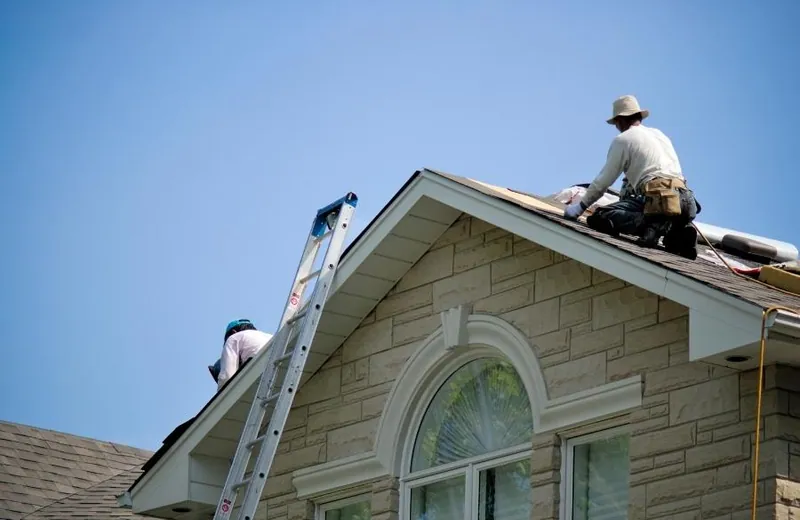
Roof Replacement, New Roof Installation & Winter Roof Replacement

What we do

We handle complete roof replacement and new roof installation, including full tear-offs, deck repair, ice and water shield, synthetic underlayment, balanced ventilation, and new flashing. When the weather allows, we also do winter roof replacements using cold-weather installation methods.

Methods & approach

Every new roof gets ice and water shield at the eaves and in the valleys, plus intake and exhaust ventilation sized to the attic. We tear down to the decking to meet the Uniform Dwelling Code, replace any bad OSB or plank sheathing, and check permit requirements with your municipality.

Sun Prairie application

A lot of Sun Prairie's 1990s–2000s builder-grade roofs are failing now. We handle the steep, cut-up roofs in Providence and Prairie Lakes every day, and we work through HOA color approvals in Windsor, DeForest, and Waunakee.

Best for

Roofs that are 20 or more years old, have widespread storm damage, have two layers already, or keep leaking even after repairs.

Sun Prairie Roofing Solutions Roofing Contractor in Sun Prairie, WI project in Sun Prairie, WI (5)

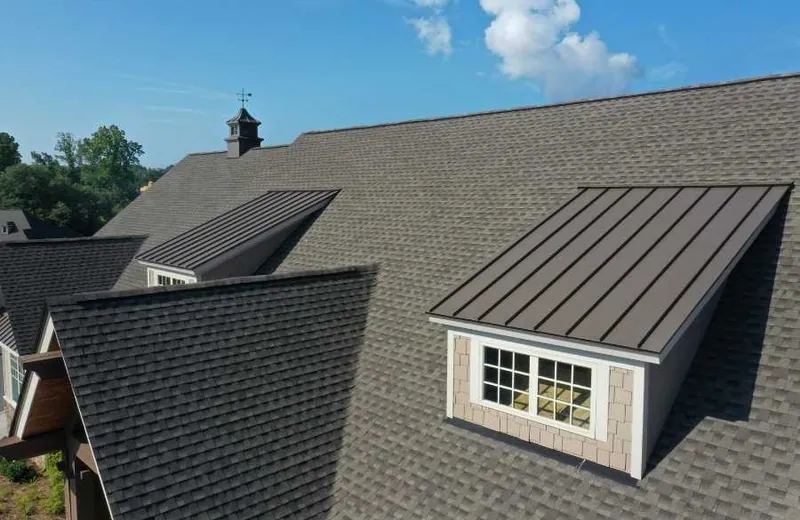
Asphalt Shingle Installation: Architectural & 3-Tab Shingles

What we do

We install architectural (laminated) shingles, 3-tab shingle roofing, and impact-resistant shingle options. We also do roof shingle repair to match existing roofs.

Methods & approach

We use high-wind nailing patterns, starter strips at the eaves and rakes, and proper seal-strip activation. For homes in hail-prone, exposed areas, we can recommend Class 4 impact-resistant shingles, which some insurers reward with lower premiums.

Sun Prairie application

Architectural shingles are the standard across Sun Prairie and the Madison suburbs. On wind-exposed lots near the farmland edges in Windsor and Marshall, we go with high-wind installation methods.

Best for

Most homes in the area, whether you're budget-minded or want an upgraded look and better hail resistance.

Sun Prairie Roofing Solutions Roofing Contractor in Sun Prairie, WI project in Sun Prairie, WI (6)

Roof Repair, Leak Detection & Storm Damage Repair

What we do

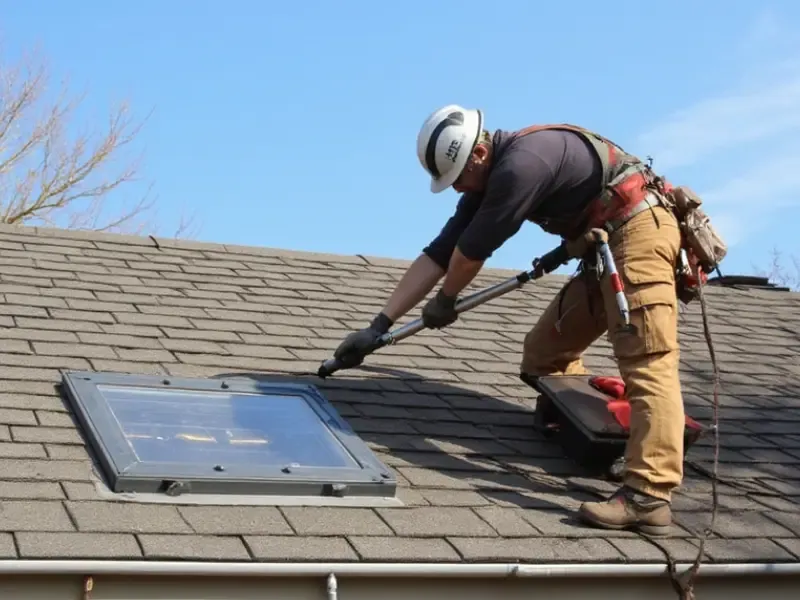
We offer roof repair, roof leak detection and repair, roof damage repair, storm damage restoration, roof patching, roof shingle repair, and skylight leak repair.

Methods & approach

We trace a leak back to where it actually starts, not just where the stain shows up. Repairs use matching materials and proper flashing instead of caulk. For storm damage, we document everything with photos so your insurance claim is complete.

Sun Prairie application

After a hail or wind event in Dane County, we inspect local roofs quickly and give you an honest assessment. We follow Wisconsin's storm-chaser law, so we never promise to cover a deductible.

Best for

Isolated leaks, missing shingles, skylight drips, and hail or wind damage on roofs that still have useful life left.

Sun Prairie Roofing Solutions Roofing Contractor in Sun Prairie, WI project in Sun Prairie, WI (7)

Emergency Roof Repair & Roof Tarping

What we do

We provide emergency roof repair, emergency roof tarping, and roof tarp installation after storms, falling trees, or sudden leaks.

Methods & approach

We fasten tarps securely and seal them so they hold up against wind and rain. While we're there, we photograph the damage for your insurer and lay out a plan for the permanent repair.

Sun Prairie application

Summer derechos and wind events can tear open roofs across Sun Prairie, Cottage Grove, and Marshall in a matter of minutes. Getting a tarp on fast keeps water out of insulation, drywall, and finished basements.

Best for

Active leaks, storm-torn roofs, tree impacts, and any situation where water is coming into your home right now.

Sun Prairie Roofing Solutions Roofing Contractor in Sun Prairie, WI project in Sun Prairie, WI (8)

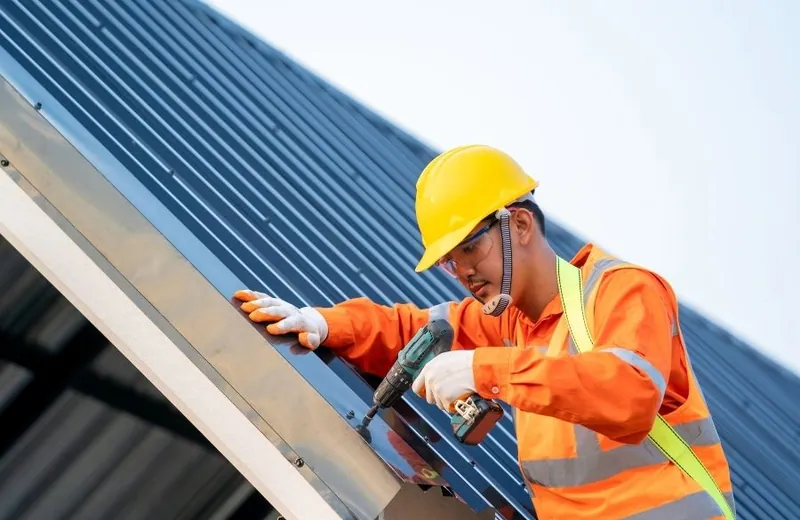
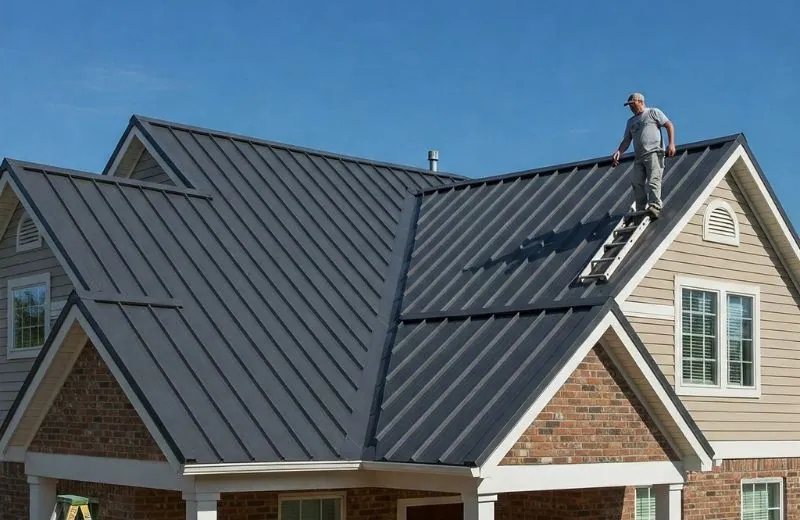
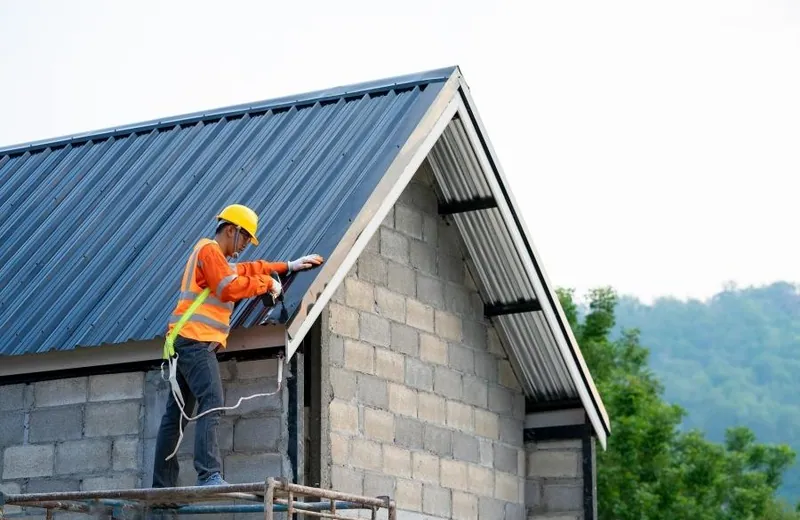
Metal Roofing: Standing Seam, Steel & Corrugated

What we do

We do metal roof installation, standing seam metal roofs, steel roofing, corrugated metal roofing, residential metal roofing, metal roof repair, metal roof flashing, and steel roof flashing.

Methods & approach

We use concealed-fastener standing seam panels on homes and through-fastened corrugated or ribbed steel on outbuildings. Trim and flashing are matched to the panel system, and we add snow guards where sliding snow could be a hazard.

Sun Prairie application

Metal sheds snow well and stands up to wind, which is why it's popular on farmhouses, pole barns, and outbuildings around Marshall, Deerfield, Cambridge, Columbus, Lake Mills, and Poynette. We'll travel to rural properties.

Best for

Long-term homeowners, agricultural buildings, and anyone who wants a roof that sheds snow and lasts a long time.

Sun Prairie Roofing Solutions Roofing Contractor in Sun Prairie, WI project in Sun Prairie, WI (9)

Flat & Commercial Roofing: TPO, EPDM, Repair & Replacement

What we do

Our flat and commercial work includes commercial roofing, commercial roof repair, flat roof repair, flat roof replacement, TPO roofing, and EPDM rubber roofing.

Methods & approach

We use heat-welded TPO seams or fully adhered EPDM, add tapered insulation where water ponds, and detail the drains and edges carefully. Commercial projects follow the Wisconsin Commercial Building Code.

Sun Prairie application

We take care of small-business flat roofs along the Highway 151 and Main Street corridors, plus low-slope porches, garages, and additions on homes all over Sun Prairie and Madison.

Best for

Small businesses, mixed-use buildings, and homes with flat or low-slope sections.

Sun Prairie Roofing Solutions Roofing Contractor in Sun Prairie, WI project in Sun Prairie, WI (10)

Specialty Roofing: Slate, Cedar Shake, Tile & Copper

What we do

We install and repair slate roofs, cedar shake roofs, tile roofs, and copper roofing and accents.

Methods & approach

We fasten slate and tile with copper nails and hooks, install cedar with the right spacing and breathable underlayment, and form copper details by hand. Whenever we can, we repair rather than replace historic materials.

Sun Prairie application

These materials show up on estate homes in Maple Bluff, on historic houses in Madison's landmark districts, and on downtown Sun Prairie properties where historic review may apply.

Best for

Historic and high-end homes, plus owners who want premium materials that fit the home's character.

Sun Prairie Roofing Solutions Roofing Contractor in Sun Prairie, WI project in Sun Prairie, WI (11)

Flashing & Chimney Leak Repair

What we do

We handle chimney flashing repair, chimney leak repair, roof flashing, drip edge flashing, and step and counterflashing at walls and dormers.

Methods & approach

Counterflashing is cut into the mortar joints. Step flashing goes in course by course. We add crickets behind wide chimneys and install drip edge at every eave and rake.

Sun Prairie application

Freeze-thaw cycles loosen flashing on the old brick chimneys near Main Street and on Madison's east side, and on the dormer walls of newer Sun Prairie homes.

Best for

Leaks around chimneys, walls, skylights, and dormers, especially on older homes.

Sun Prairie Roofing Solutions Roofing Contractor in Sun Prairie, WI project in Sun Prairie, WI (12)

Ventilation, Soffit & Fascia, and Gutter Guards

What we do

We install roof ventilation and soffit and fascia, and we offer gutter guard installation, seamless gutters, and leaf guards.

Methods & approach

We balance soffit intake with ridge exhaust and clear any blocked baffles. Gutters are sized and pitched for heavy storm runoff, with downspouts that carry water away from foundations.

Sun Prairie application

Balanced ventilation cuts down on ice dams and summer heat buildup in Dane County attics. Gutter guards keep oak and maple leaves out of gutters in established neighborhoods like Eastmorland.

Best for

Homes with ice dams, hot upper floors, rotted fascia, or gutters that clog all the time.

Sun Prairie Roofing Solutions Roofing Contractor in Sun Prairie, WI project in Sun Prairie, WI (13)

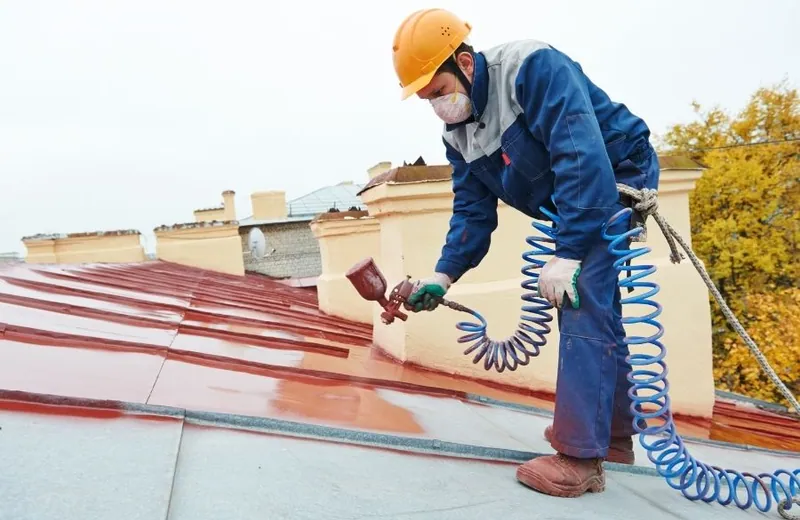
Roof Inspection, Maintenance, Restoration & Coatings

What we do

We offer roof inspection, roof maintenance, roof restoration, roof waterproofing, and roof coating application.

Methods & approach

Inspections include photos and a written list of what we found. Maintenance covers resealing, pipe boot replacement, and clearing debris. We apply silicone or acrylic coatings to suitable flat and metal roofs to extend their life.

Sun Prairie application

A spring inspection catches winter freeze-thaw damage, and a fall check gets your roof ready for snow. Coatings can add years to aging commercial roofs along Highway 151.

Best for

Home buyers and sellers, HOAs, business owners, and anyone who wants to plan for a replacement instead of being surprised by one.

How it works

How Our Roofing Process Works

From your first call to the final walkthrough, you'll know what's happening and when. Here's what a typical project looks like with Sun Prairie Roofing Solutions.

  1. 1
    Step 1

    Inspection & Assessment

    Usually scheduled within a few days. Emergencies get priority.

    What happens

    • Exterior roof inspection with photos of every problem area
    • Attic check for ventilation, insulation, and moisture
    • Flashing, decking, and gutter evaluation
    • Storm damage documentation if you're filing an insurance claim

    Sun Prairie considerations

    • In winter we look for ice dam patterns and attic frost. After summer storms we check soft metals for hail evidence.
  2. 2
    Step 2

    Clear Recommendation & Written Estimate

    Typically within a few days of the inspection

    What happens

    • Plain-language explanation of what's wrong and why
    • Repair vs. replacement recommendation with honest pros and cons
    • Itemized written estimate with material options
    • Financing options explained if you'd like them

    Sun Prairie considerations

    • We'll point out any HOA color restrictions or historic-review steps that might apply to your property.
  3. 3
    Step 3

    Permits, Approvals & Scheduling

    Varies by municipality and season

    What happens

    • Confirm permit requirements with your local building department
    • Help with HOA submittals and color approvals
    • Order materials and lock in a firm start date
    • Coordinate with your insurance adjuster on claim work

    Sun Prairie considerations

    • Demand peaks from April through November, so booking early gets you a better spot in the schedule.
  4. 4
    Step 4

    Installation Day(s)

    Most homes take 1–3 days. Complex or commercial roofs take longer.

    What happens

    • Protect landscaping, siding, and driveways
    • Tear off and inspect the decking, then replace any rotted boards
    • Install ice and water shield, underlayment, ventilation, flashing, and roofing
    • Magnetic nail sweep and full cleanup every evening

    Sun Prairie considerations

    • In cold weather we follow cold-weather installation practices so the shingles seal properly.
  5. 5
    Step 5

    Final Walkthrough & Follow-Up

    On the day the project is completed

    What happens

    • Walk the finished roof and property with you
    • Review photos of the work, including what's under the shingles
    • Pass along warranty and product documentation
    • Final inspection where your municipality requires one

    Sun Prairie considerations

    • We'll suggest a spring or fall check so we can catch freeze-thaw wear early.
The difference

Why Sun Prairie Homeowners Choose Us

01

Local Roofers Who Build for Wisconsin Winters

We aren't a storm-chasing crew that drives in from out of state after a hailstorm. Sun Prairie is in our name, and we work right here every season. We know what a February thaw does to an under-ventilated attic, which subdivisions catch the worst wind off the prairie, and how the old plank decking downtown behaves once you strip the shingles. That local knowledge shapes every recommendation we make, so you get a roof designed for Dane County, not a generic install that might be fine in a milder climate.

02

Ice and Water Shield and Balanced Ventilation on Every Roof

Some contractors charge extra for these or leave them out. We include ice and water shield and balanced intake and exhaust ventilation on every new roof we install. Those two features are the best defense against the ice dams that cause so many winter leaks in Sun Prairie. They also prevent the summer heat buildup and winter condensation that age shingles early and grow mold on the decking. It's the right way to roof a home in south-central Wisconsin, so it's standard on our jobs.

03

Bonded and Insured for Your Protection

Sun Prairie Roofing Solutions is bonded and insured. That protects you, your property, and our crew if something unexpected happens during a project. Roofing is dangerous work done high above your home, landscaping, and vehicles, so you shouldn't have to wonder who's responsible if there's an accident. Ask any contractor you're considering for proof of insurance. We're happy to provide ours before any work starts.

04

Complex Roofs Are Our Everyday Work

Steep, multi-gable roofs with valleys, dormers, hips, and garage tie-ins are normal for us. Many two-story homes in Smith's Crossing, Providence, and Prairie Lakes have a dozen or more roof transitions, and each one is a possible leak. We pay attention to the details that matter: step flashing at every wall, kickout flashing at gutter ends, ice barrier through every valley, and correct ridge venting on hip roofs. That's what makes these roofs last.

05

Straightforward Recommendations and a Firm Schedule

You'll get an honest assessment in plain language. If a repair will get you several more good years, we'll say so. If the roof really needs replacing, we'll show you why with photos. Your estimate is written and itemized, and once you approve it, you get a firm schedule instead of vague promises. In a market where homeowners compare several bids, we want ours to be the easiest to understand and trust.

06

Careful Cleanup Every Evening

Roofing makes a mess, but your yard shouldn't look like a job site overnight. At the end of every workday, our crew picks up debris, runs magnetic sweepers to catch stray nails, and leaves your driveway and lawn safe for kids, pets, and cars. We protect landscaping and siding while we work, and we do a final cleanup when the job is finished.

07

Honest Insurance Claim Help and Flexible Financing

After a Dane County hail or wind storm, we document the damage thoroughly and help you understand what your adjuster will be looking for. We follow Wisconsin's storm-chaser law, so we'll never promise to pay or rebate your deductible. For projects that aren't covered by insurance, financing is available, which means a failing roof doesn't have to wait until it's leaking into your living room.

Service area

Roofing Service Areas Around Sun Prairie

We're based in Sun Prairie and work across eastern and northern Dane County and nearby communities. That covers growing subdivisions, Madison's historic neighborhoods, and the farm country around Marshall and Columbus. If you're within about 20 miles, we can likely help.

Sun Prairie & Northern Suburbs

  • Sun PrairieFrom Main Street farmhouses to Smith's Crossing, Providence, and Prairie Lakes
  • WindsorNewer subdivisions with HOA style rules and open-field wind exposure
  • DeForestGrowing suburban neighborhoods with 1990s–2000s roofs coming due
  • WaunakeeUpscale two-stories with complex rooflines
  • PoynetteSmall-town homes and rural outbuildings

Madison Metro & Lakeside Communities

  • MadisonEast side neighborhoods like Eastmorland, Schenk-Atwood, and Marquette
  • Maple BluffLakefront estate homes with slate, cedar, and designer shingles
  • Monona1950s–60s low-pitch ranches prone to ice dams
  • McFarlandMid-century ranches and newer lakeside homes
  • MiddletonAffluent suburban homes where buyers expect premium materials

Eastern Dane County & Rural Communities

  • Cottage GroveFast-growing subdivisions and older village homes
  • MarshallFarmhouses, pole barns, and metal roofing
  • DeerfieldSmall-town homes and agricultural buildings
  • CambridgeHistoric village homes and rural properties
  • Lake MillsLake homes and older in-town houses
  • ColumbusOlder small-city homes and surrounding farmland

Coverage: We serve properties within about a 20-mile radius of Sun Prairie. If you're near the edge of that area, give us a call and we'll let you know if we can get to you.

Not sure if we serve your area? Call (608) 544-8643 and we will tell you right away.

Pricing

How Much Does a Roof Cost in Sun Prairie?

Roofing costs in the Madison area depend on your roof's size, how steep and complicated it is, what's hiding under the shingles, and which materials you choose. These ranges reflect typical local projects. Your written estimate will be based on your actual roof.

What affects the price

  1. 1. Roof Size and Complexity Primary Factor factor

    Roofs are priced by the square, meaning 100 square feet. A simple ranch might be 20 squares, while a two-story in Providence with multiple gables, dormers, and a three-car garage can go past 35. Each valley, hip, and wall transition adds labor and flashing material, and steep pitches call for extra safety equipment and slow the crew down. A cut-up roof can cost noticeably more per square than a simple gable roof of the same size.

  2. 2. Material Choice Primary Factor factor

    Architectural asphalt shingles are the most affordable option for most Sun Prairie homes. Class 4 impact-resistant shingles cost more but hold up better against hail. Standing seam metal usually runs two to three times the cost of asphalt. Slate, cedar shake, tile, and copper are premium materials that cost much more, and they mostly show up on Maple Bluff estates and historic Madison homes.

  3. 3. Tear-Off Layers and Decking Condition Secondary Factor factor

    Wisconsin's UDC requires a full tear-off when there are already two layers or when the decking is deteriorated. Older homes near downtown Sun Prairie and on Madison's east side often hide several layers and rotted plank sheathing. Replacing damaged OSB or sheathing is usually priced per sheet, and we can't know exactly how much is needed until the old roof comes off. Your estimate will spell out that unit price ahead of time.

  4. 4. Ventilation, Ice Barrier, and Flashing Upgrades Secondary Factor factor

    Every new roof we install comes with ice and water shield and balanced ventilation. If your home has blocked soffits, no ridge vent, or old chimney flashing, correcting those adds to the cost. It also prevents the ice dams and condensation that wreck roofs early in Dane County. Things like new gutters, gutter guards, and soffit and fascia replacement are priced as separate line items.

  5. 5. Season, Access, and Permits Additional Factor factor

    Winter roof replacement may involve snow removal and cold-weather installation steps. Tight lot lines, landscaping, and steep driveways can make access harder. Permit fees vary by municipality, and historic-district or HOA reviews can add time. After a big storm, demand surges across the area, so it pays to schedule early.

Typical Sun Prairie projects

Leak or storm repair

Replacing missing shingles, a pipe boot, or a section of step flashing on an asphalt roof

$350 – $1,500

Ice dam removal

Steam removal along the eaves of a typical Sun Prairie home. Price depends on ice thickness and roof access.

$500 – $1,500 per visit

Architectural shingle replacement, simple ranch

Roughly 20–25 squares, tear-off, ice and water shield, ridge ventilation, minimal deck repair

$11,000 – $18,000

Architectural shingle replacement, complex two-story

Roughly 30–40 squares with multiple gables, valleys, and dormers, as in Smith's Crossing or Prairie Lakes

$18,000 – $32,000

Financing available. Financing is available, so you can deal with a failing roof now instead of waiting for it to leak. Ask about options when you get your estimate.

Investment perspective. A properly vented roof with a full ice barrier protects your insulation, drywall, and framing from repeated ice dam damage. It also helps with resale in a Dane County market where buyers know to look for these things.

Schedule Free Inspection
Questions

Sun Prairie Roofing FAQs

How much does a new roof cost in Sun Prairie, WI?

Most architectural shingle replacements in Sun Prairie cost between about $11,000 and $32,000. A simple ranch usually falls toward the low end, and a complex two-story with lots of gables and valleys lands toward the high end. Price depends on the roof's size in squares, the pitch, the number of valleys and dormers, how many layers have to come off, and the condition of the decking underneath. Impact-resistant shingles, metal, or specialty materials like slate raise the cost. Every new roof we install includes ice and water shield and balanced ventilation. Financing is available, and you'll get an itemized written estimate before any work begins.

How long does a roof replacement take?

Most homes in Sun Prairie take one to three working days. A straightforward ranch is often finished in a day. A steep, cut-up two-story in Providence or Prairie Lakes, or an older home that needs a lot of deck replacement, can take longer. Weather affects the schedule too. We won't tear off a roof with rain or heavy snow on the way. Because demand climbs from April through November, scheduling a few weeks out is common in peak season. You'll get a firm start date once materials are ordered, and we clean up every evening while the job is underway.

Do I need a permit to replace my roof in Sun Prairie?

It depends on where you live. The City of Sun Prairie, the City of Madison, and the surrounding villages and towns each set their own rules for reroofing, structural deck repair, and skylight changes. We check the requirements with your local building inspection department before work starts. Wisconsin's Uniform Dwelling Code also sets installation standards, including an ice barrier at the eaves and a full tear-off when a roof already has two layers. If you're in a Madison historic district or downtown Sun Prairie, or you have an HOA, changing materials or colors may need extra approval.

What causes ice dams, and how do I prevent them?

Ice dams form when heat from your living space escapes into the attic and warms the roof deck. That melts snow higher up, and the water refreezes at the cold eaves. The real fix is in the attic: seal air leaks, add insulation where it's thin, and balance soffit intake with ridge exhaust so the roof deck stays cold. An ice and water shield at the eaves protects you if a dam forms anyway. Heat cable can help on problem spots, but it treats the symptom. Raking snow off the lower few feet of the roof after big storms also helps.

When should I repair my roof instead of replacing it?

Repair usually makes sense when the damage is isolated, such as a few missing shingles, a cracked pipe boot, or one leaking chimney, and the rest of the roof still has good life left. Replacement is the better call when shingles are curling, losing granules, or cracking across the whole roof, when leaks keep coming back in different spots, or when the roof is around 20 years old or more. That describes a lot of the 1990s–2000s builder-grade roofs in Sun Prairie. We'll show you photos and give you an honest recommendation either way.

How do I know if my roof has hail or storm damage?

Start at ground level. Look for dented gutters, downspouts, and vent caps, granules piling up at downspout outlets, and shingles in the yard. On the roof, hail leaves dark bruises where granules have been knocked off, and wind leaves creased or lifted shingles. Some damage doesn't cause a leak right away, so it's worth getting an inspection after any significant Dane County storm. We document everything with photos for your claim. Remember that Wisconsin law bars contractors from promising to cover your deductible, and you can cancel a contract within three business days if your claim is denied.

When is it an emergency, and when can roof problems wait?

Call right away if water is actively coming into your home, if a storm or tree has opened up the roof, if you see sagging under heavy snow, or if ice dams are pushing water into your walls or ceilings. We can tarp the roof or remove the ice to stop further damage. Things like a few missing shingles, minor granule loss, or a small stain that's stayed dry should still get looked at soon, ideally before the next freeze-thaw season, but they usually don't need same-day service.

Can you replace a roof in winter?

Yes, as long as conditions allow. Winter roof replacement is possible in Sun Prairie, but cold weather affects how shingles seal and how adhesives perform. Snow and ice also have to be cleared before we can tear off. We watch the forecast closely, work in sections so your home is never left exposed, and use cold-weather installation practices so the shingles bond properly. If your roof is leaking badly in January, waiting until spring isn't always realistic, and we'll help you decide whether to replace now or make a solid temporary repair until warmer weather.

Get a Straight Answer About Your Sun Prairie Roof

Whether it's ice dams, storm damage, or a builder-grade roof that's reached the end of its life, the first step is an honest inspection. Find out exactly what's going on before winter makes it worse. Active leak, ice dam, or storm damage? Call now and we'll work to tarp or stabilize your roof as quickly as possible to protect your home.

Call now(608) 544-8643Online schedulingBook a time that works
Office510 Commercial Ave, Sun Prairie, WI, 53590
HoursMon-Sun: 7:00 AM - 7:00 PM

Get your free quote

Your information is never shared.
Call Schedule